
EXTENSIONS
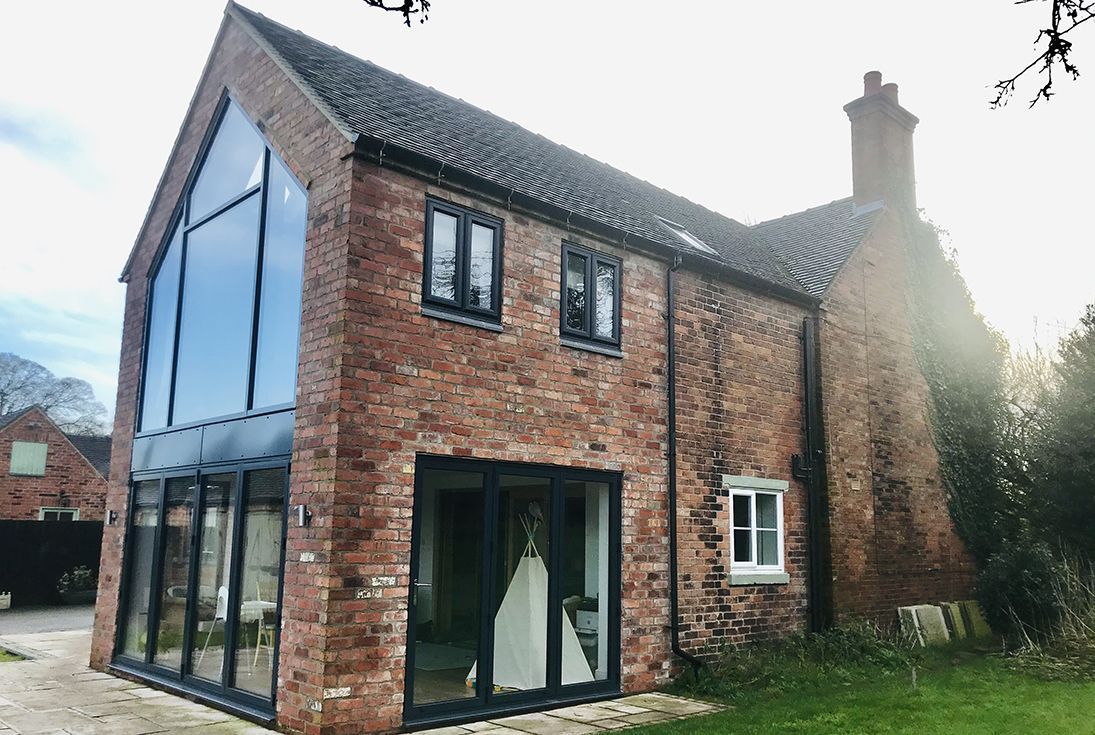
Planning Permission for Home Extensions
Extending your home is one of the most valuable improvements you can make — but before building work begins, it’s important to understand whether planning permission is required.
Here At ONEGRP LTD, we guide you through the entire planning process, ensuring your extension complies with local authority requirements and avoids unnecessary delays.
Do All Extensions Require Planning Permission?
Not always.
Many home extensions fall under Permitted Development (PD) rights, meaning formal planning permission may not be required — provided the design stays within specific size and design limits.
However, this depends on:
- The size of the extension
- The type of property
- Whether the property has already been extended
- Whether you are in a conservation area
- Previous planning restrictions
We assess your property at the outset and provide clear advice before any design work begins.
What Is Permitted Development?
Permitted Development allows certain building works to be carried out without a full planning application, provided strict criteria are met.
For example (general guidance):
- Single-storey rear extensions typically have maximum depth limits
- Extensions must not exceed certain height restrictions
- Materials must be similar in appearance to the existing house
- Side extensions have width limitations
- Extensions cannot cover more than 50% of the original land around the house
Even if planning permission is not required, we often recommend applying for a Lawful Development Certificate. This provides formal proof that your extension is legal — very useful when selling your home.
When Planning Permission Is Required
You will usually need full planning permission if:
- The extension exceeds Permitted Development size limits
- You live in a conservation area or designated zone
- The property is listed
- You are significantly altering the front of the property
- You are building a double-storey extension outside PD allowances
In these cases, a formal planning application must be submitted to your local authority for approval.
The Planning Application Process
If planning permission is required, we manage the process on your behalf, including:
- Measured site survey
- Preparation of architectural drawings
- Submission of application
- Liaising with planning officers
- Addressing any queries or amendments
Most planning decisions are issued within 8 weeks, although complex applications may take longer.
We design extensions carefully to maximise approval chances while achieving your goals.
Planning Permission vs Building Regulations
It’s important to understand the difference:
- Planning Permission relates to the appearance, size, and impact of the extension.
- Building Regulations ensure the extension is structurally sound, insulated, safe, and compliant.
Even if your extension falls under Permitted Development, Building Regulations approval is always required.
We handle both processes as part of a fully managed service.
Neighbour Consultations & Party Wall Matters
In some cases, additional considerations may apply:
- Party Wall Agreements for shared boundaries
- Larger Home Extension neighbour consultations
- Drainage build-over agreements
We advise clearly if any of these apply to your project.
Our Approach
We offer a structured, stress-free process:
- Initial feasibility advice
- Clear guidance on planning requirements
- Design tailored to maximise space and approval likelihood
- Full application management
- Ongoing communication with the local authority
Whether your extension falls under Permitted Development or requires full planning approval, we ensure everything is handled professionally and correctly.